
The race is the smallest part of the F1 experience.
F1 fans no longer sit at the end of the sport's pipeline. They sit at the start of their own and the worlds they build around the racing run all year.
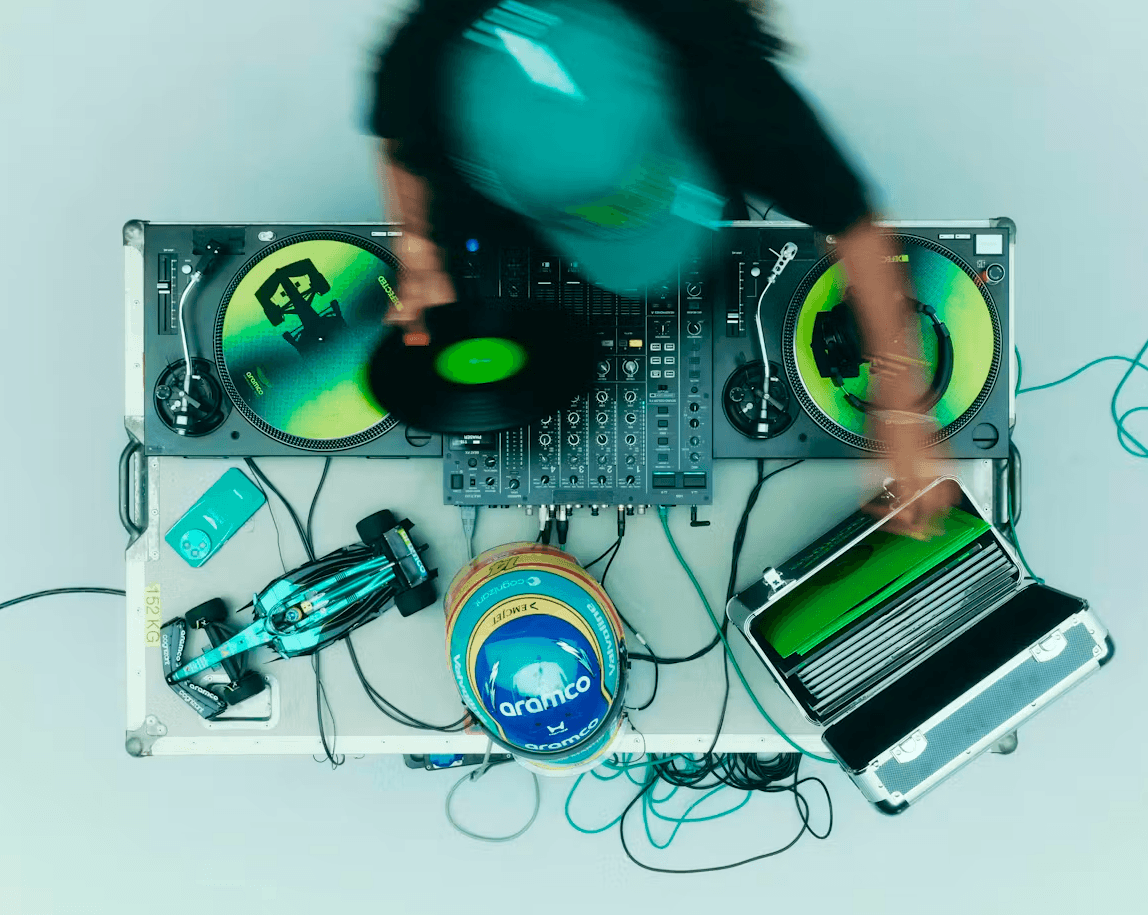
For most of its life, F1 sold one thing: two hours of racing, delivered to a viewer. The sport made the product, fans consumed it, sponsors bought the space around it.
That relationship is gone. A twenty-two-year-old who found the sport through a Netflix series and a Discord server does not experience F1 as a race calendar. They experience it as a feed; driver edits cut to a track they found on TikTok, race-week fits, fantasy leagues, kit drops, memes about a radio message, an argument about tyre strategy with people they have never met.
The Grand Prix is not the thing they spend their time in. It is the raw material for the thing they spend their time in, and they are the ones building it.
The sport supplies the source material. Fans build the world, and the world is where the hours actually go.
Fandom moved from watching to wearing
Team identity now behaves like music taste. It is a signal carried into rooms that have nothing to do with racing: a cap, a colourway, a driver number in a bio. When teamwear reads as streetwear and a paddock pass reads as access to culture rather than to sport, the fan is not buying merchandise. They are buying membership in a taste community.
The gap between races is the real inventory
Attention does not switch off between Sundays. It migrates to edits, podcasts, sim racing, gossip, tunnel walks, everything that fills the empty weeks. Most brand money still clusters around the two hours where the audience needs the least help paying attention. The advantage sits in the gaps, and almost nobody is buying there.
Fans are the production layer, not the audience
The most-watched F1 content in a given week is frequently not made by F1. It is made by fans with editing software and a point of view. That is a loss of control for brands that want to police their assets, and an unfair advantage for brands that hand over better raw material: sounds, angles, in-jokes, a look that is easy to remix. Fandom scales when it is easy to build on.
So the question is not how to reach F1 fans. It is what you are giving them to build with.
The brands winning here are not buying visibility inside the sport. They are contributing to the world fans are already assembling. Fashion did it by treating the grid as a runway. Games did it by turning race weekends into places you can enter rather than watch. Music did it by letting a soundtrack carry the sport into rooms where nobody follows the championship.
Does it survive the off-week?
If the idea only exists while the lights are out, you have bought the smallest part of the weekend at the highest price on the calendar.
Can a fan make something out of it?
Assets that cannot be remixed sit still. Assets that can, travel for free — and travel further than the media plan that paid for them.
Does it work for someone who doesn't care who wins?
The growth audience arrived through story, style and community. If the entry point requires knowing the standings, the door is too narrow for the people walking towards it.
F1's audience did not just get younger. It got productive. The sport is no longer a broadcast to be sponsored it is a set of materials fans use to build worlds, and the brands that matter will be the ones handing over better materials.