
04/ — Brand Marketing Strategy & Campaign — EA
Making a faded racing icon matter to a generation that grew up without it.
At a glance
Tension
Need for Speed built its name on street racing culture then the culture moved on without the game. And the team had nine weeks to fix it.
Insight
Street racing culture didn't disappear it relocated. The game couldn't advertise into that culture; it had to be made from it.
Strategy
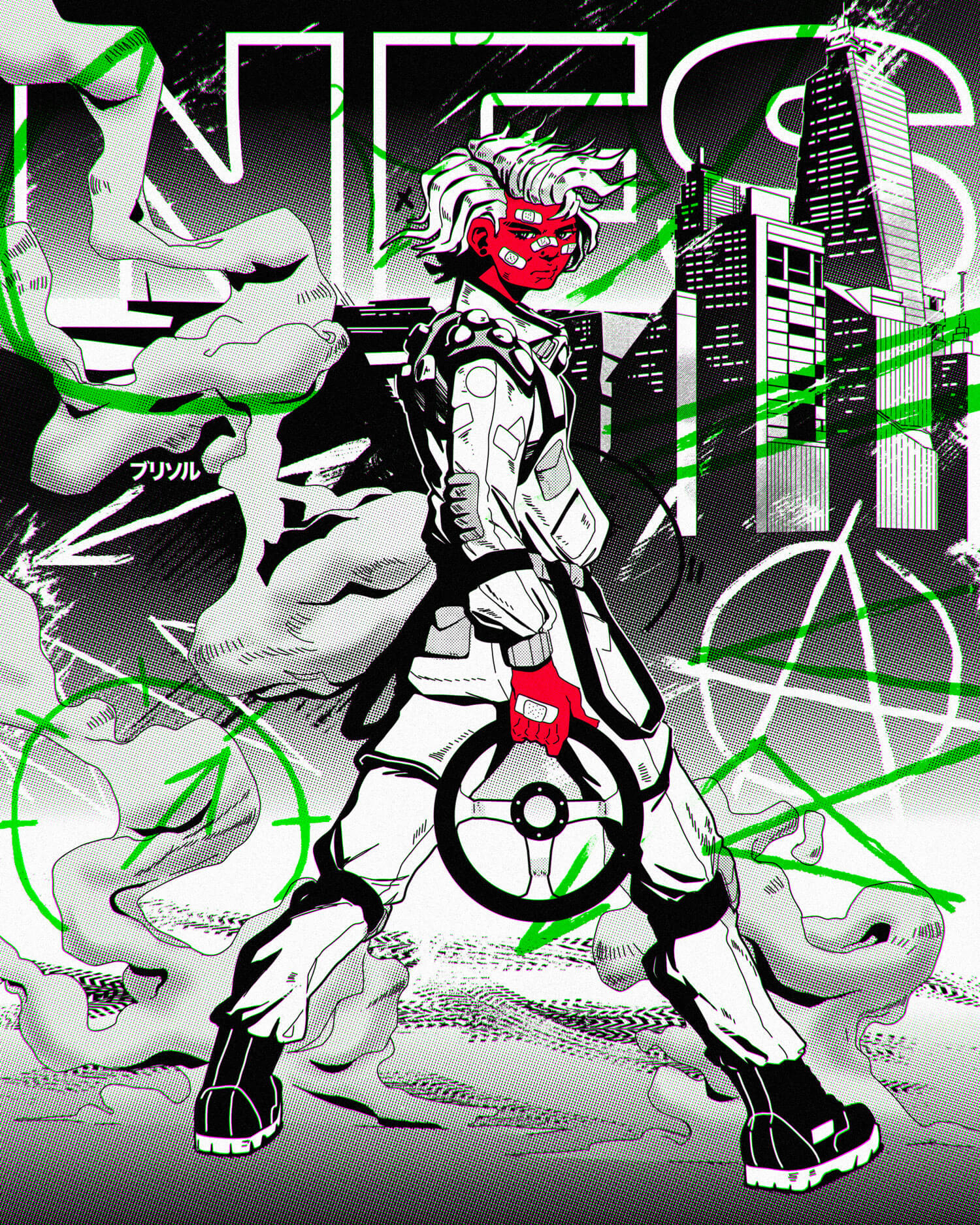
Rebuilt the launch from inside the scene under one idea “Electrify the Mundane” the game as an artefact of the culture, not a product aimed at it.
The culture moved on without the game.
The music, the fashion, the street art that once defined the franchise now lived elsewhere with a generation that had never played it.
Need for Speed built its name on street racing culture. Then the culture relocated into music, fashion and street art, not car magazines.
And the team had nine weeks to fix it.
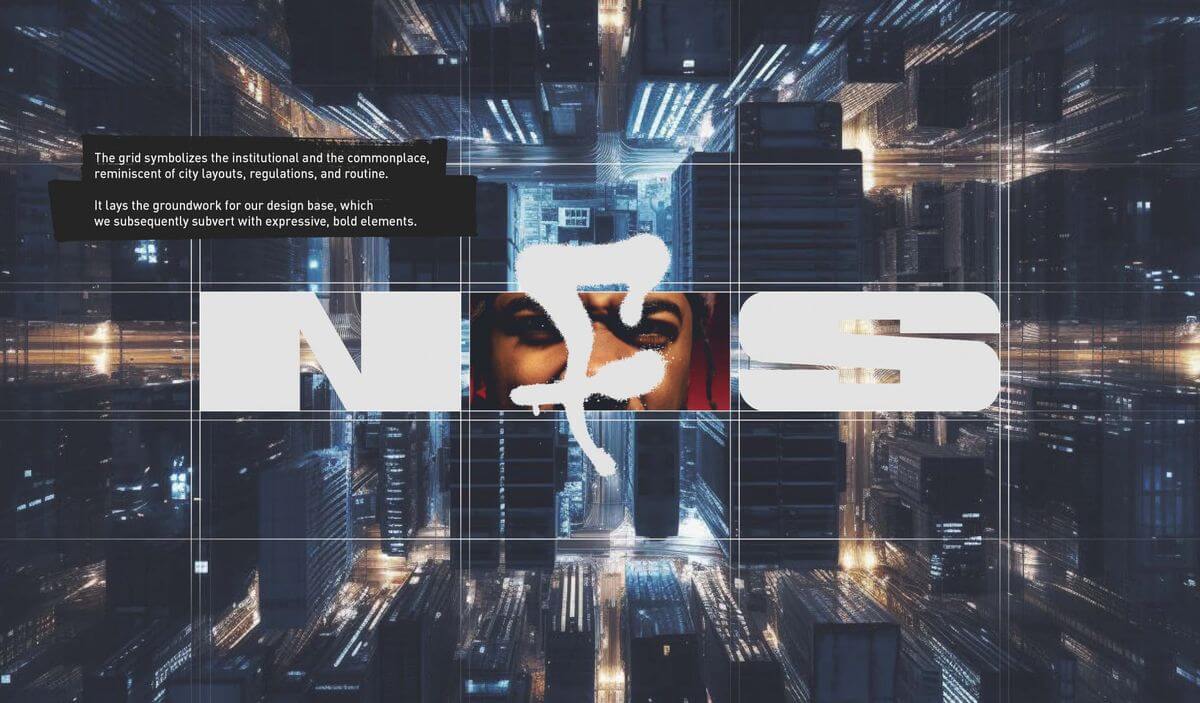
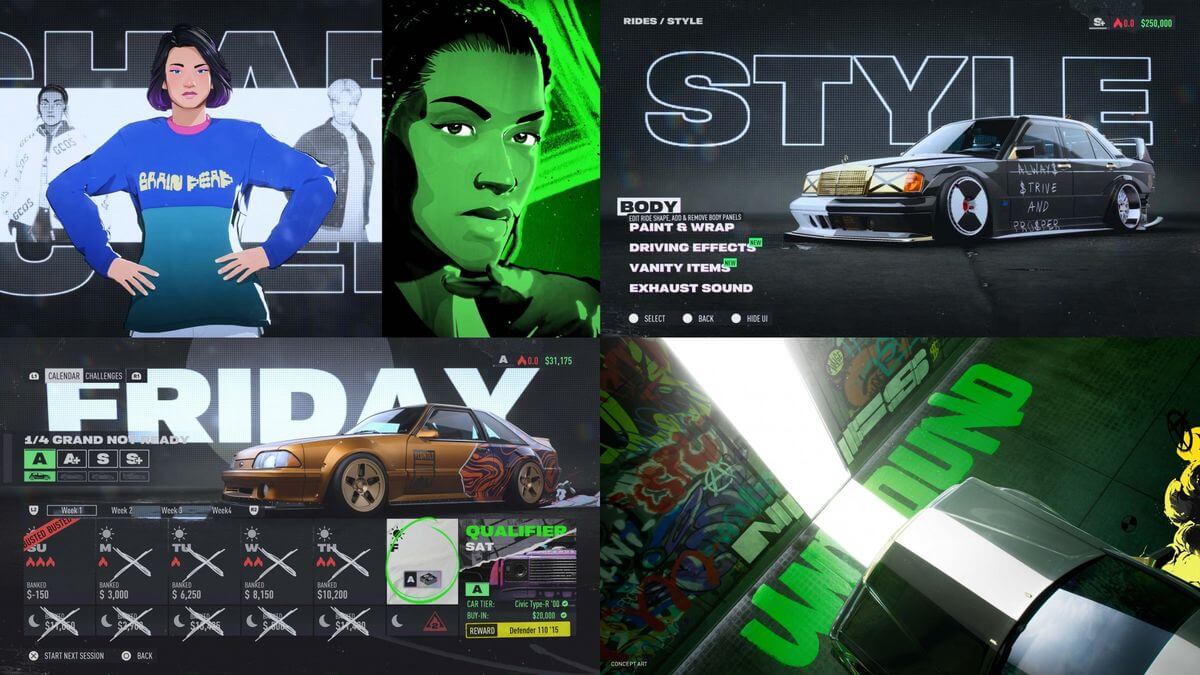
Electrify the mundane.
To reach the new generation, the game couldn't advertise into the culture it had to be made from it.
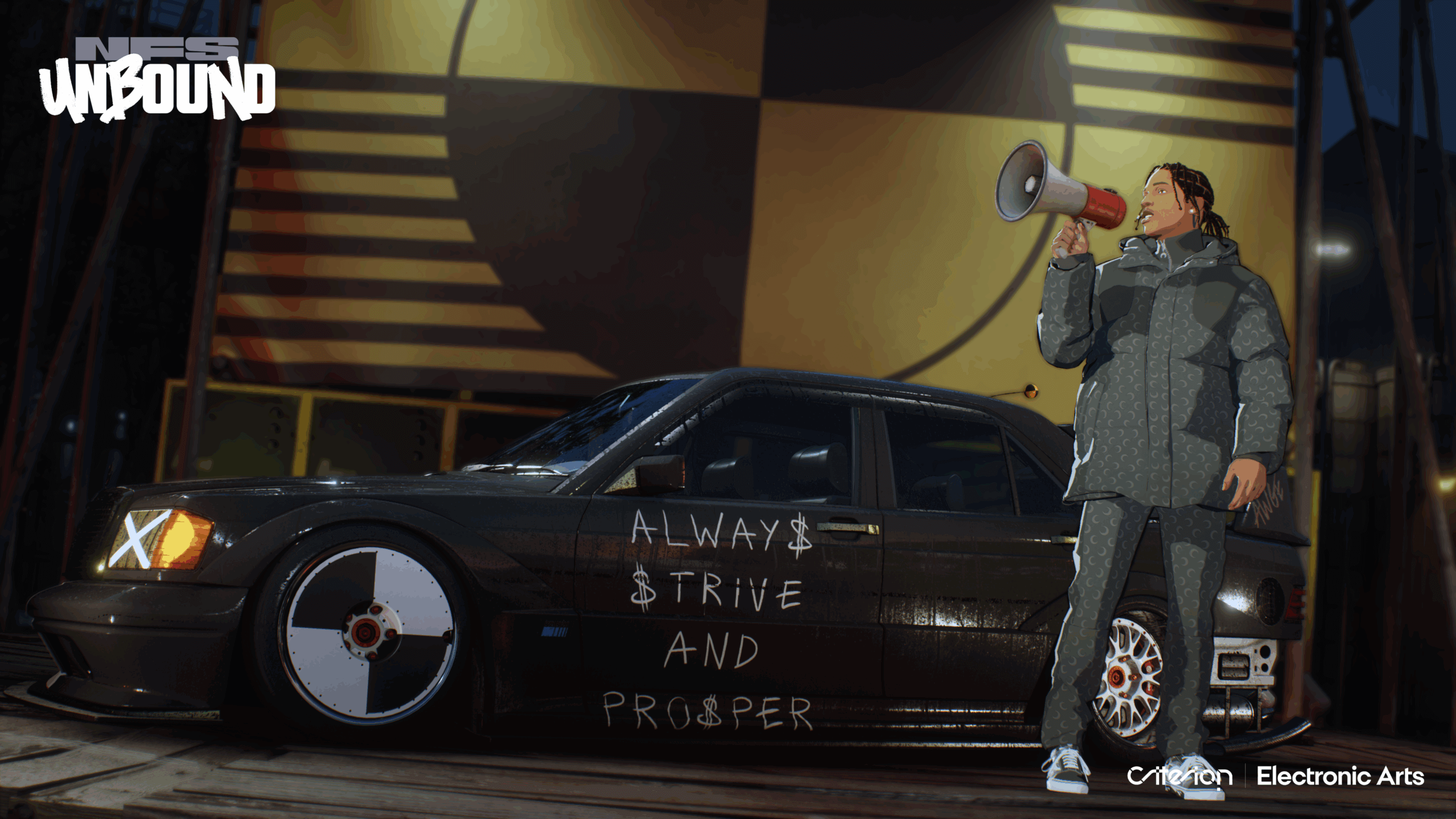
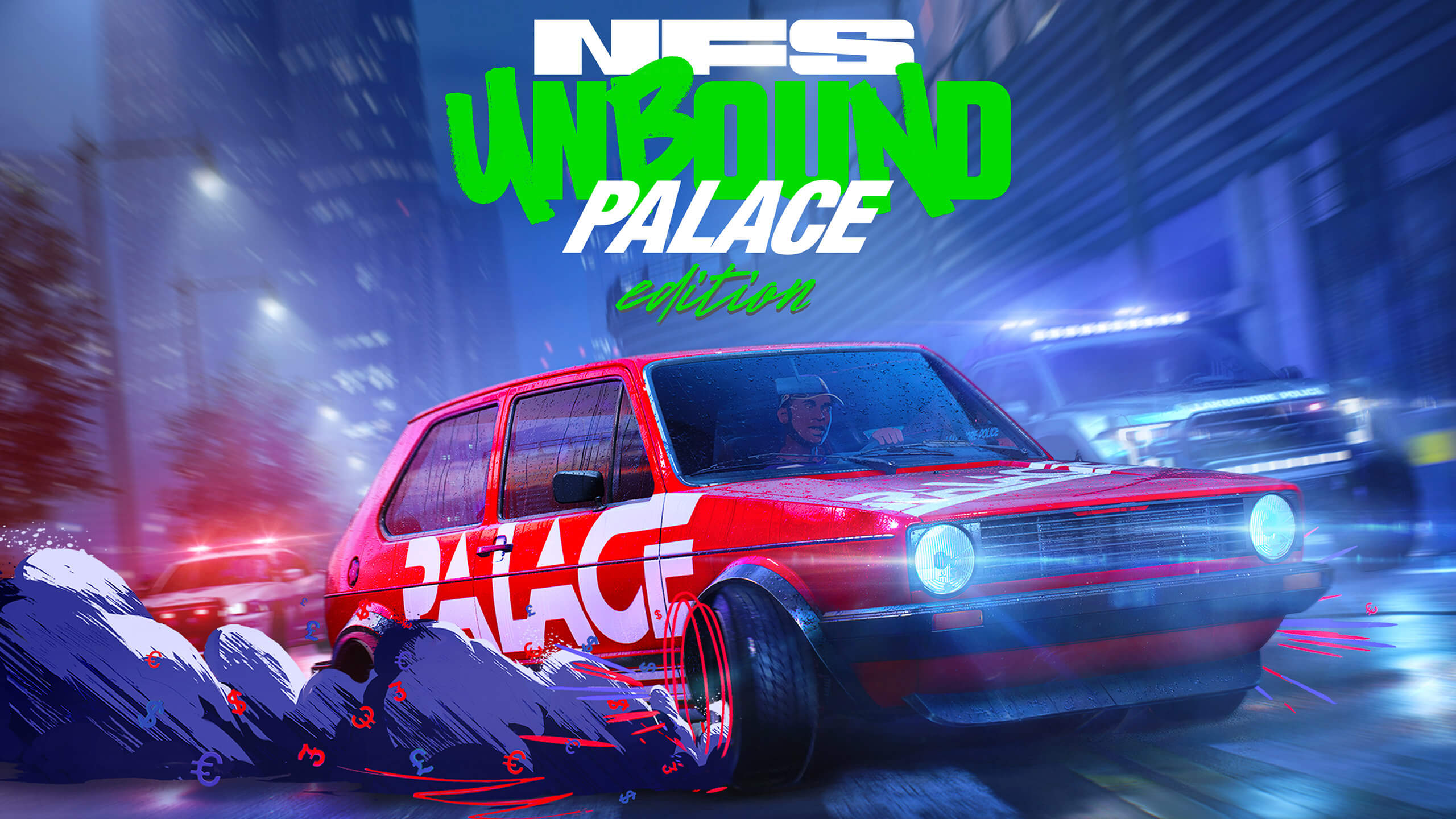
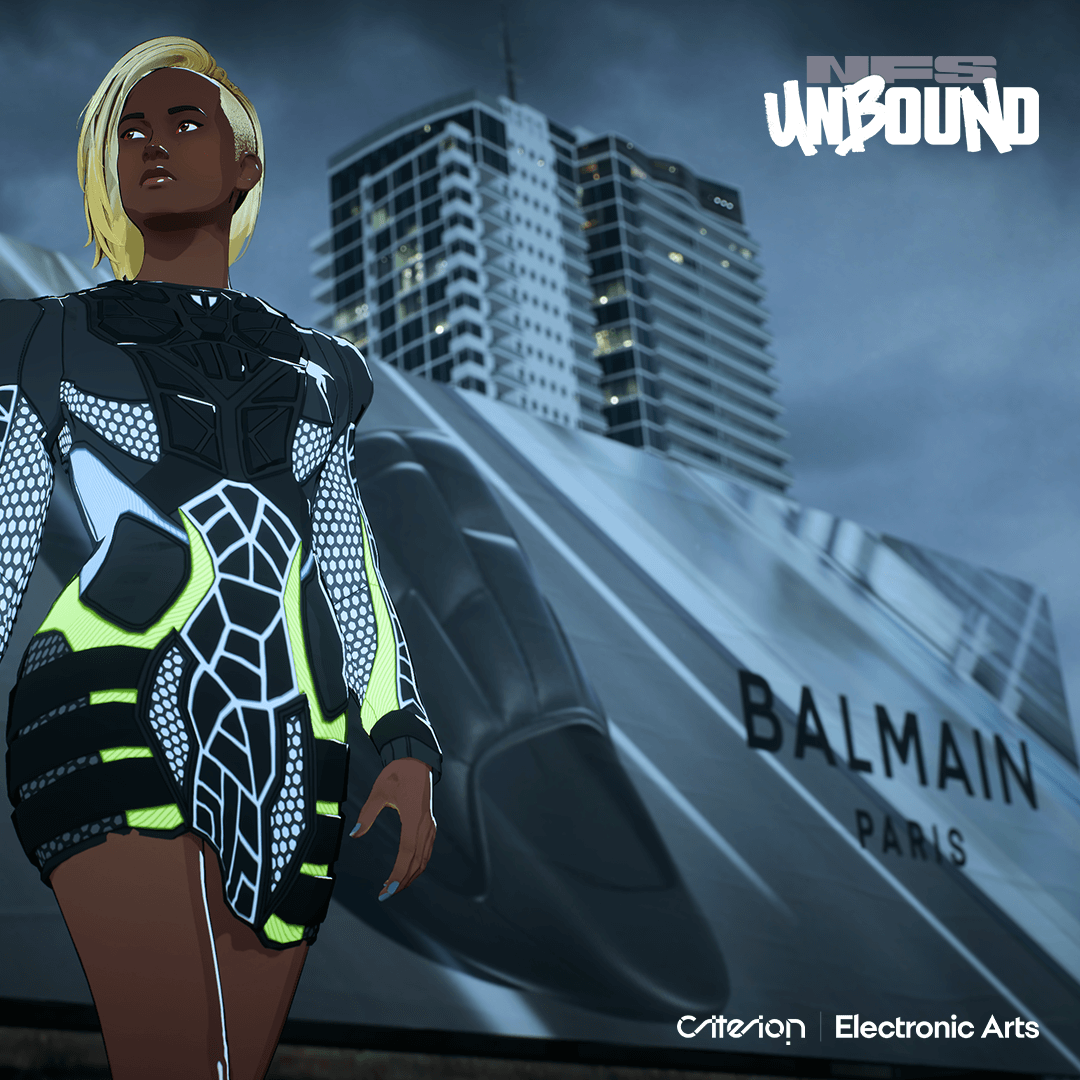
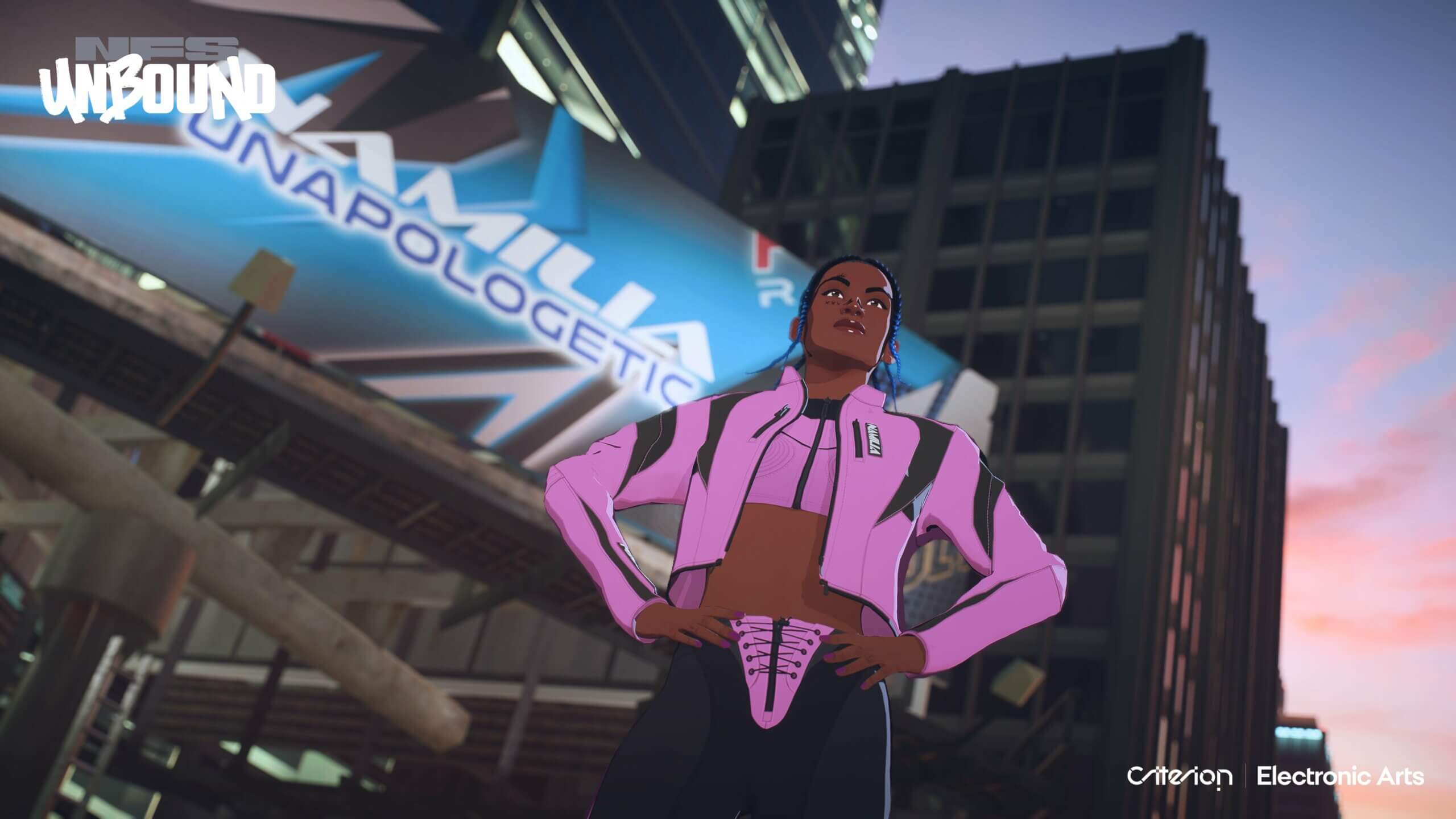
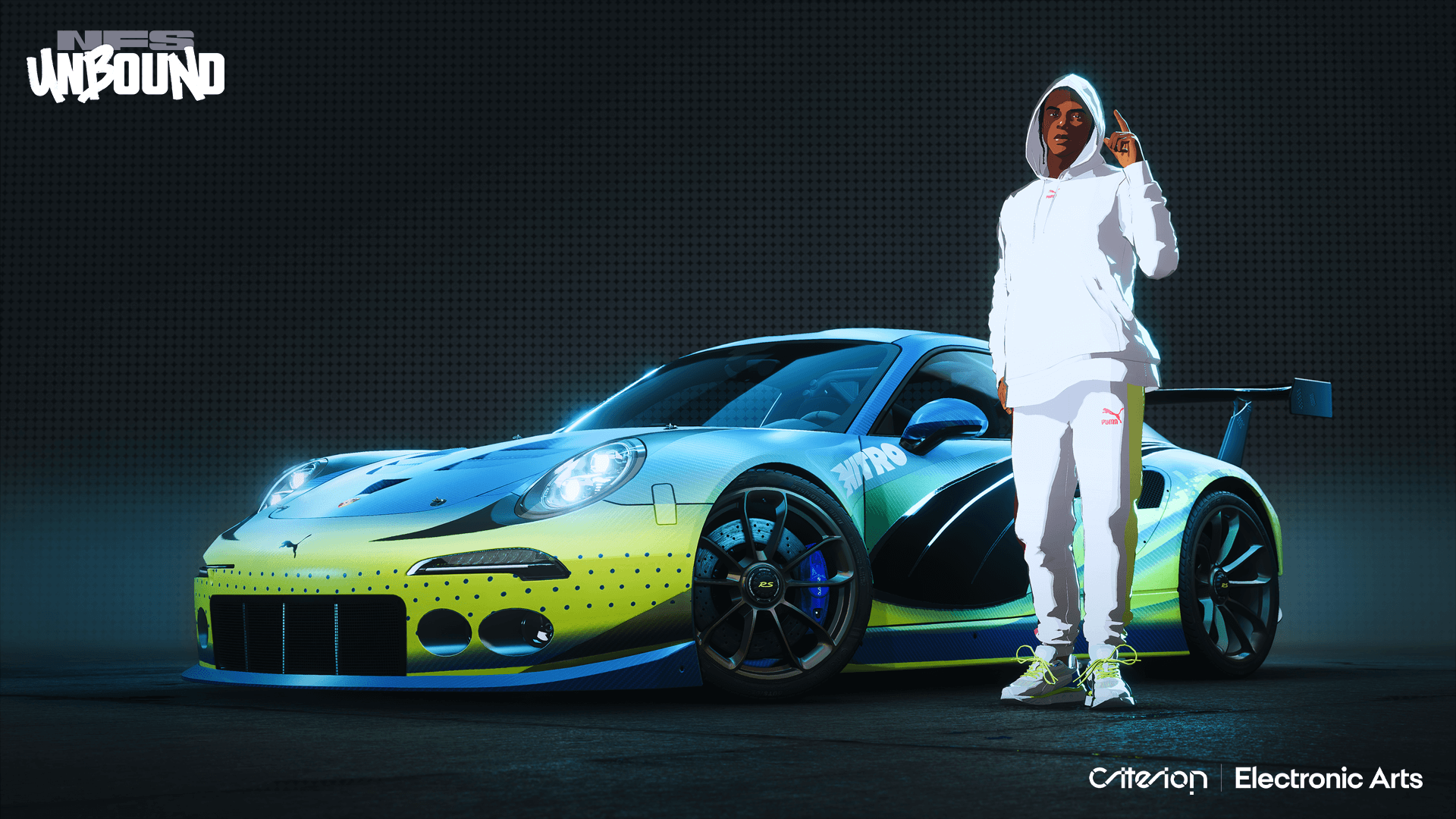
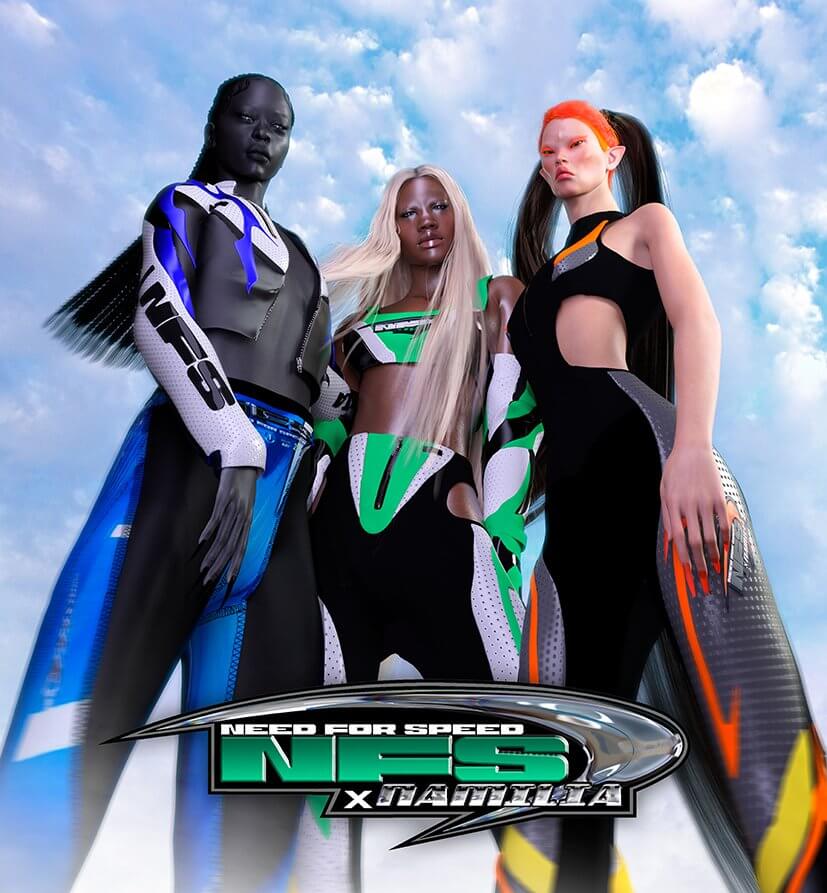
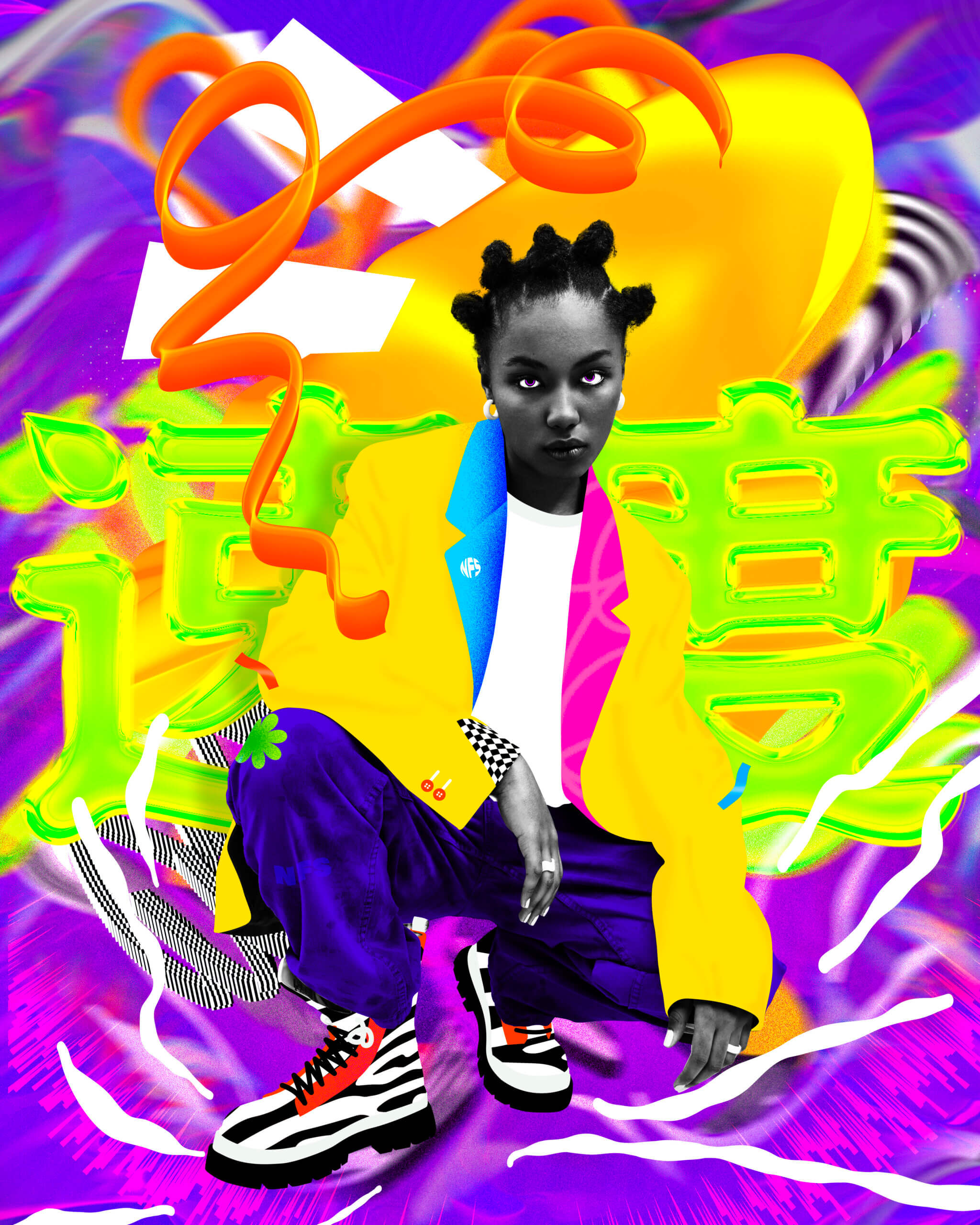
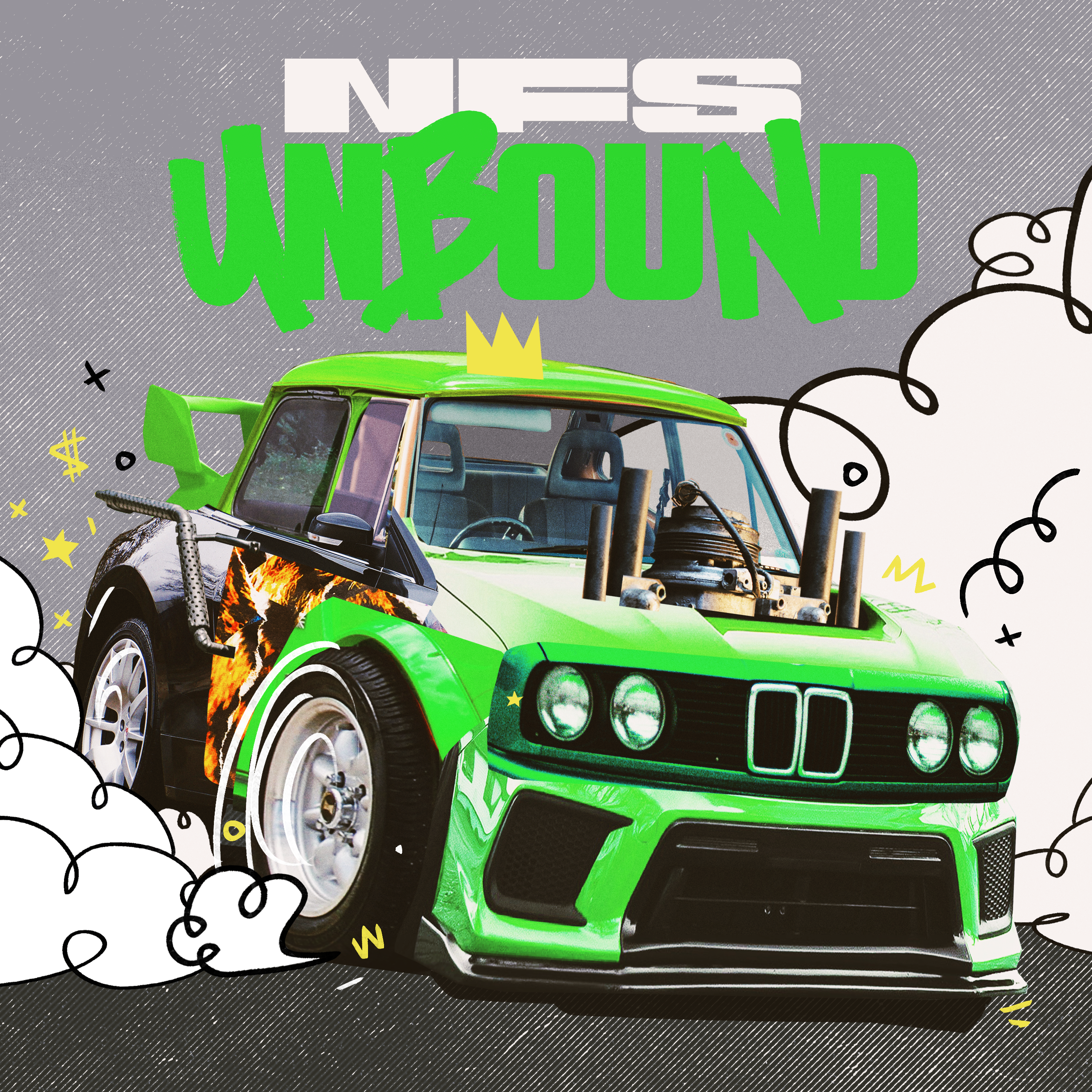
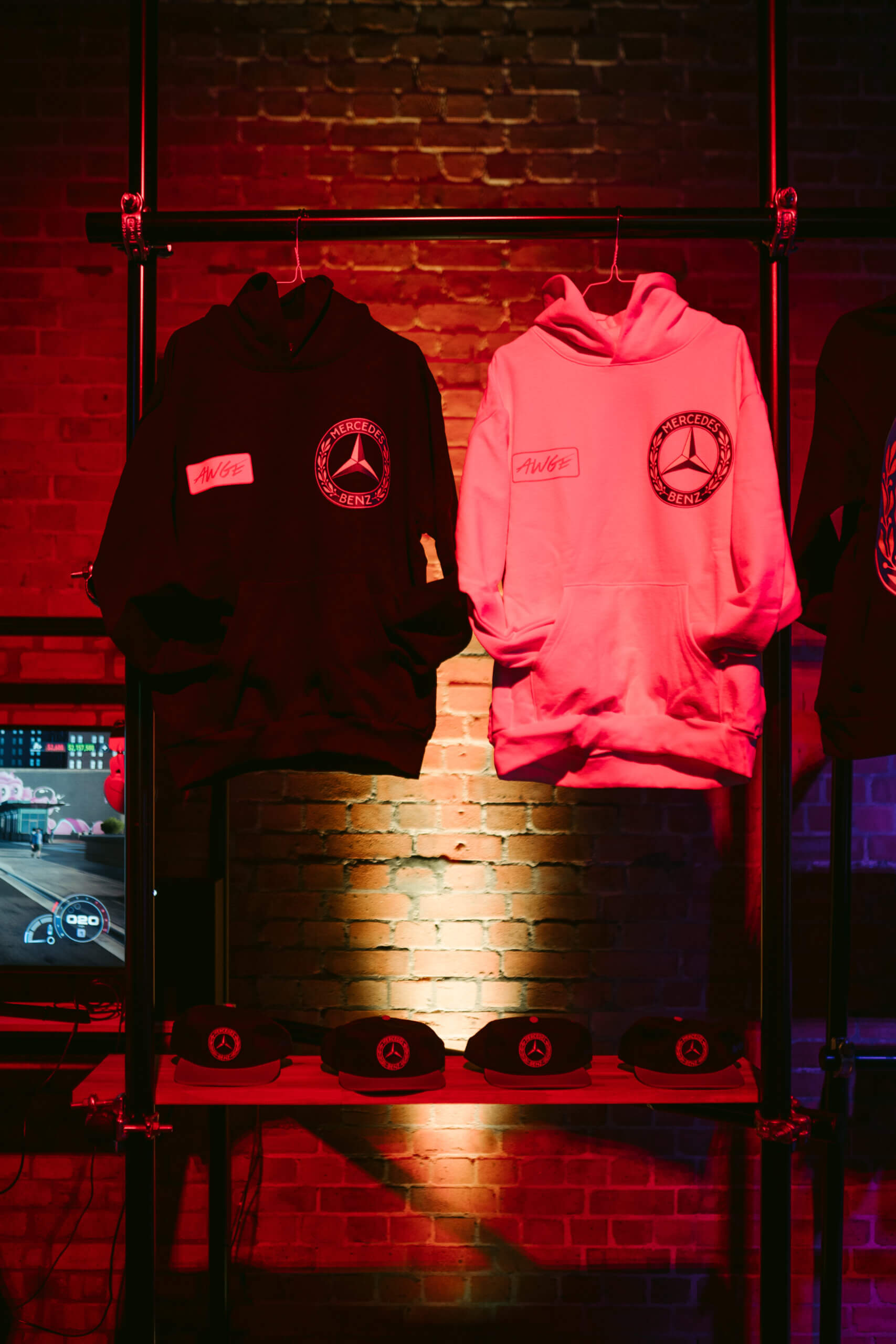
We rebuilt the launch from inside the scene: nine themed cultural drops to sustain momentum; capsule collections with Palace, Balmain and Puma connecting in-game style to real-world credibility; A$AP Rocky revealing the game live at Rolling Loud, his custom car and music at the centre of the creative; creator-led takeovers across key markets. The game as an artefact of the culture, not a product aimed at it.
Cultural drop structure
Nine themed drops maintained momentum and surprise from “The Drip” (fashion) to “Maximum Pressure” (gameplay challenges).
Fashion collaborations
Teased and revealed capsule collections with Palace and Balmain connecting in-game style to real-world credibility.
Digital + retail fusion
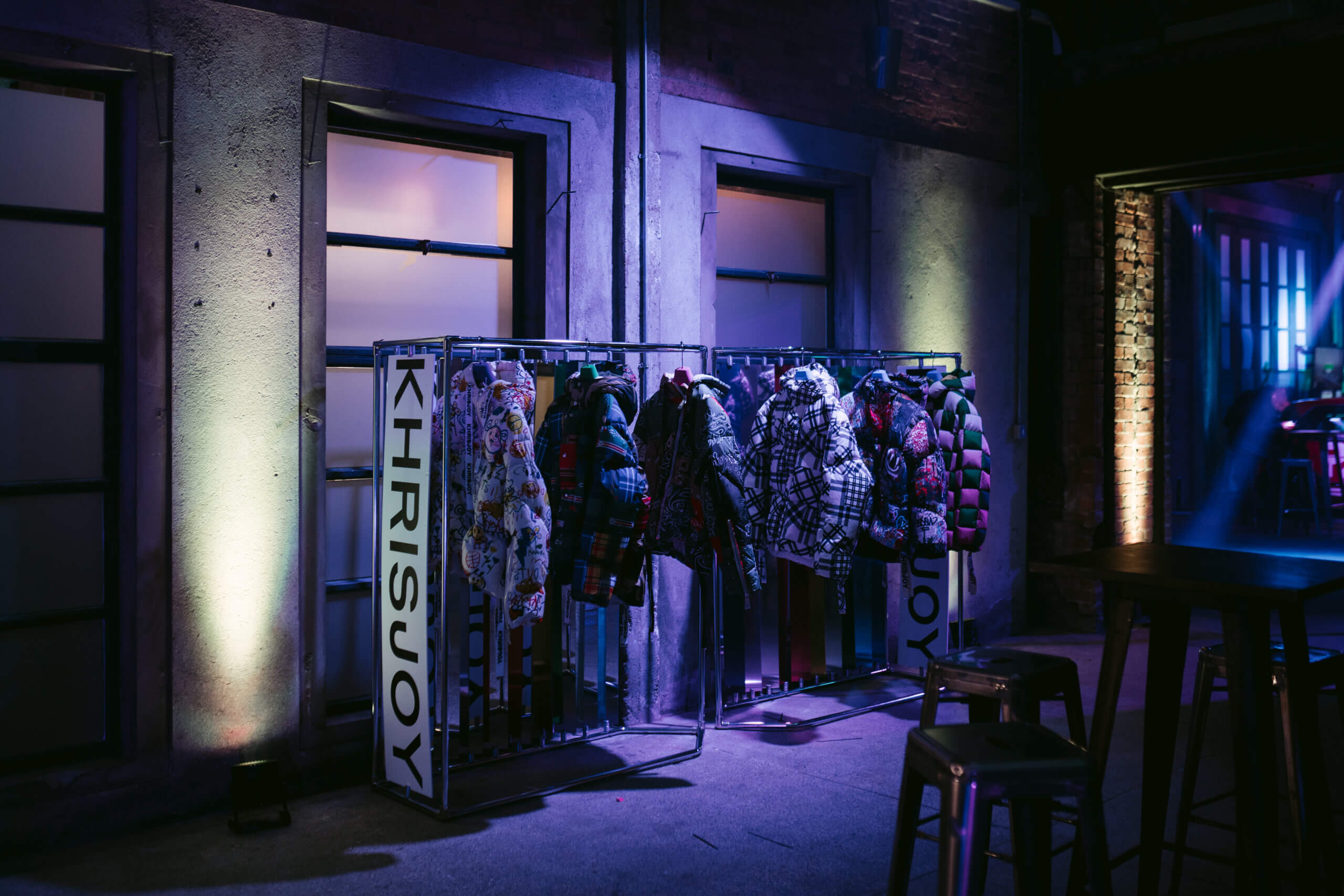
Blended physical drops (limited editions, in-store moments) with digital hype cycles and platform takeovers.
A$AP Rocky integration
Revealed the game with Rocky live at Rolling Loud putting NFS on a cultural stage, not a press release.

“We didn’t market a game to culture. We made the game part of culture.”